 Perimenopause Night Sweats
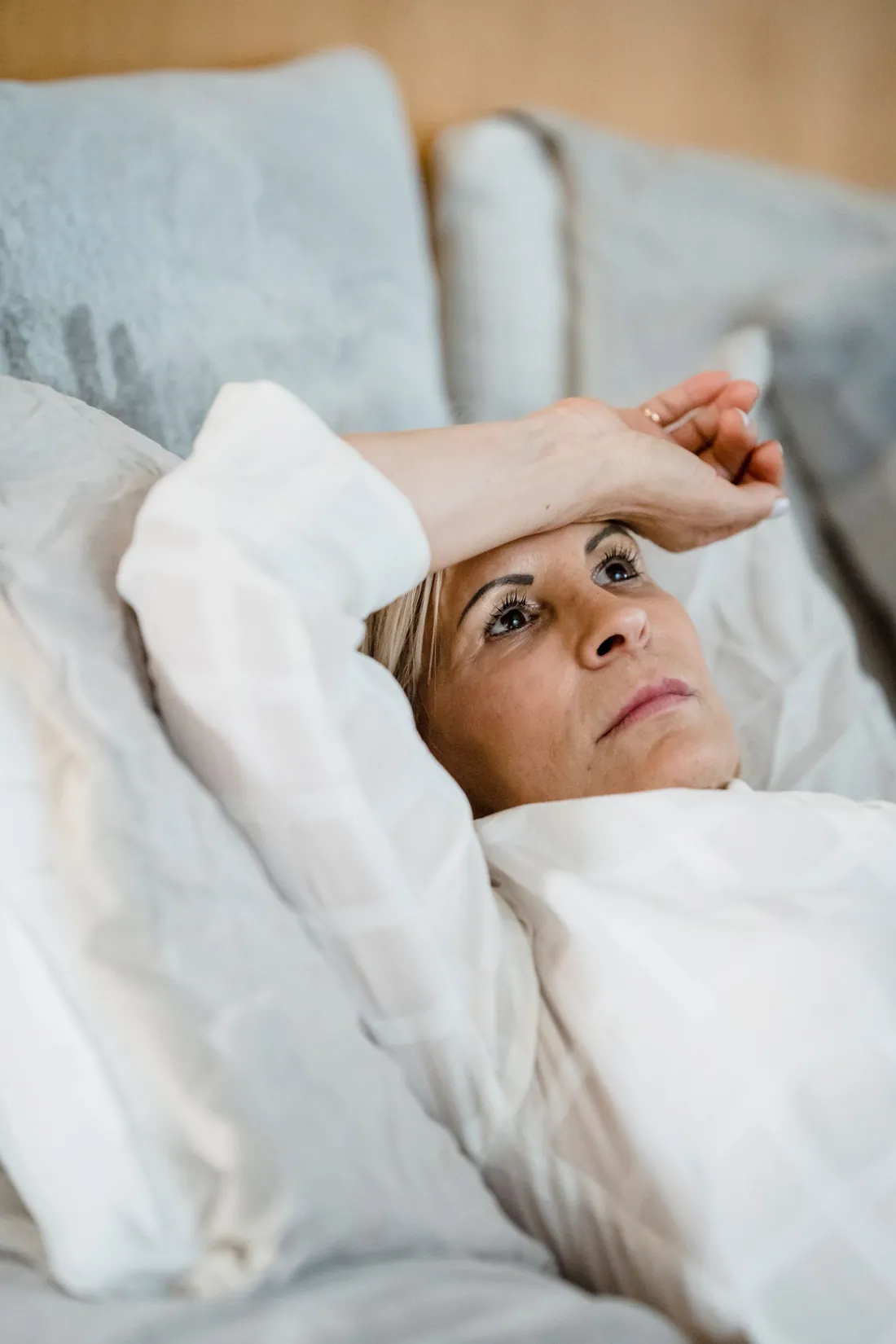
Why night sweats start in perimenopause
Perimenopause is the transition before menopause, the point 12 months after your last period. Mayo Clinic says it usually starts in your 40s, sometimes in your mid-30s. During this stretch, estrogen doesn't fall smoothly. It spikes and dips from month to month and even day to day.
The hypothalamus, the part of the brain that keeps your temperature steady, is sensitive to those swings. When estrogen dips, its comfortable range narrows. A tiny rise in body heat that you'd never have noticed before now looks like an emergency, so it opens blood vessels in your skin and switches on sweat glands. That's a hot flash. When it happens during sleep, it's a night sweat.
That's how Cleveland Clinic and the NIA describe them
Why it often looks different from "classic" menopause
In perimenopause you still have periods, so it's easy to miss the connection. Many women notice night sweats first in the days around their period, when estrogen drops. Others get the restless sleep, early waking and anxiety without obvious sweating. Falling progesterone, which has a calming effect, can add to the sleep trouble, according to Cleveland Clinic.

What actually helps
Talk about treatment
Hormone therapy is the most effective treatment for hot flashes and night sweats, per Mayo Clinic and the National Institute on Aging. Non-hormonal prescriptions are an option if hormones aren't right for you.Cool the bed, not just the room
Keep the bedroom cool and target the surface you lie on. When a flash hits, a cool bed helps you shed heat faster.Know your triggers
Alcohol, caffeine, spicy food, smoking, stress and a hot room are common triggers. Keep a two-week log to find yours.Layer for the swing
Moisture-wicking sleepwear, a light blanket you can kick off, a spare top and water by the bed.Calm the alarm
The NIA notes that cognitive behavioral therapy and paced breathing can help some women cope with hot flashes.Protect your sleep schedule
Same bedtime and wake time, morning light, and a wind-down routine make it easier to fall back asleep.Good Sleep has a full page on sleeping with menopause that walks through the habits that compound with temperature control. For the room-and-bedding side, see sleep temperature during menopause.
A cool bed that waits for the hot flash
This site is run by Good Sleep. Per trygoodsleep.com, its water-based topper sits on your current mattress and cools to 62°F (or heats to 110°F for the chilly half of the night). It holds your setting all night from a simple touch panel, with no app, Wi-Fi or subscription. The King has dual-zone control, so your partner can choose their own side. $1,479 one-time, 30-night trial, free shipping.
Visit Good Sleep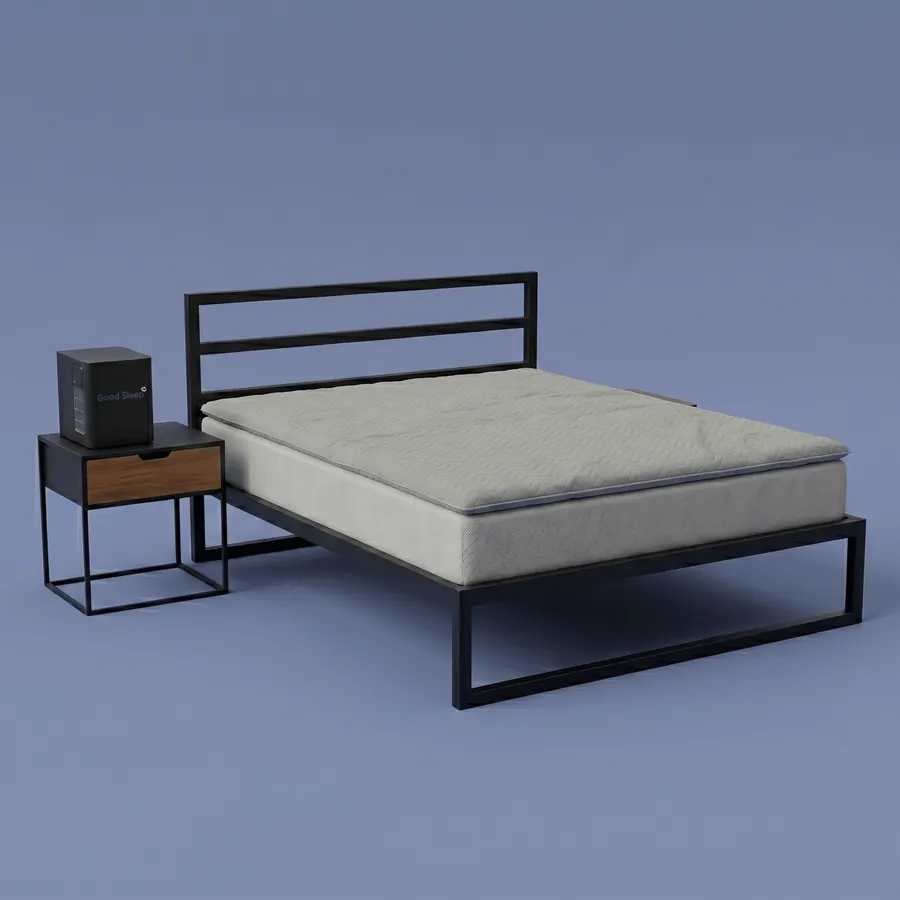 Shop now: Good Sleep cooling & heating topper →
When to see a doctor
Make an appointment if night sweats or hot flashes are disrupting your sleep or daily life. That alone is a good reason; you don't need to wait until it's unbearable. Also see a doctor if:
- your periods become very heavy, come very close together, or you bleed after sex or between periods
- night sweats come with fever, unexplained weight loss, a cough or swollen glands
- you're under 40 and having these symptoms
- low mood, anxiety or brain fog are affecting your life
Mayo Clinic and Cleveland Clinic both list these as reasons to be checked.

Frequently asked questions
Why do I get night sweats in perimenopause?
Estrogen levels rise and fall unpredictably in perimenopause. Those swings affect the hypothalamus, the brain's temperature control center, making it react to small changes by triggering a hot flash. A hot flash during sleep, with the sweating that follows, is a night sweat.
When do perimenopause night sweats start?
Perimenopause usually begins in your 40s, though Mayo Clinic notes it can start in your mid-30s. Night sweats can appear years before your periods stop, and often show up first around your period.
How long do perimenopause night sweats last?
It varies a lot. Perimenopause itself lasts about four years on average according to Cleveland Clinic, and hot flashes can continue for several years after the last period.
What is the best relief for perimenopause night sweats?
Hormone therapy is the most effective treatment for hot flashes and night sweats, according to Mayo Clinic and the National Institute on Aging, but it isn't right for everyone. Non-hormonal prescriptions exist too. Alongside any treatment, a cool bedroom, a cool sleep surface, light layers and avoiding your triggers help most women.
Why do I get night sweats but I'm not hot?
Because the trigger is hormonal, not the room. Your brain decides you're overheating and sets off a flush and sweat even in a cool bedroom.
Why do perimenopause night sweats come with chills?
Sweating cools the skin quickly, and damp sheets keep cooling you after the hot flash ends, so many women go from burning hot to shivering within minutes.
Can perimenopause night sweats happen before my period?
Yes. Many women notice night sweats in the days before or during their period, when estrogen drops.
Does a cooling mattress pad help perimenopause night sweats?
It doesn't change hormones, but it can make each episode less disruptive. Good Sleep's topper circulates water that can be set as low as 62°F, so the bed keeps pulling heat away when a hot flash hits.
From the journal
 Night Sweats Before Your Period in Perimenopause
Why night sweats cluster around your period in perimenopause, how to tell it's hormonal, and what helps you sleep through that week.
- Night Sweats and Chills: The Hot-Cold Swing Explained
Why perimenopause night sweats are often followed by chills, and how to break the hot-cold-awake cycle with layers, dry bedding and a cool bed.
 Perimenopause Night Sweats Relief: What Works and What Doesn't
An honest look at relief for perimenopause night sweats: hormone therapy, non-hormonal prescriptions, CBT, cooling, triggers, and supplements with weak evidence.
Sources
- Mayo Clinic: Perimenopause
- Cleveland Clinic: Perimenopause
- Cleveland Clinic: Understanding vasomotor symptoms
- Cleveland Clinic: Hot flashes
- National Institute on Aging (NIH): Hot flashes, what can I do?
- Cleveland Clinic: Progesterone
- Cleveland Clinic: Help for menopausal insomnia
Written by the Good Sleep team. Not medical advice.